Key figures
- 62 million tonnes of e-waste generated in 2022, up 82% since 2010 (Global E-waste Monitor 2024)
- Only 22.3% was documented as properly collected and recycled
- E-waste is projected to reach 82 million tonnes by 2030
- Metals in 2022’s e-waste were worth an estimated US$91 billion
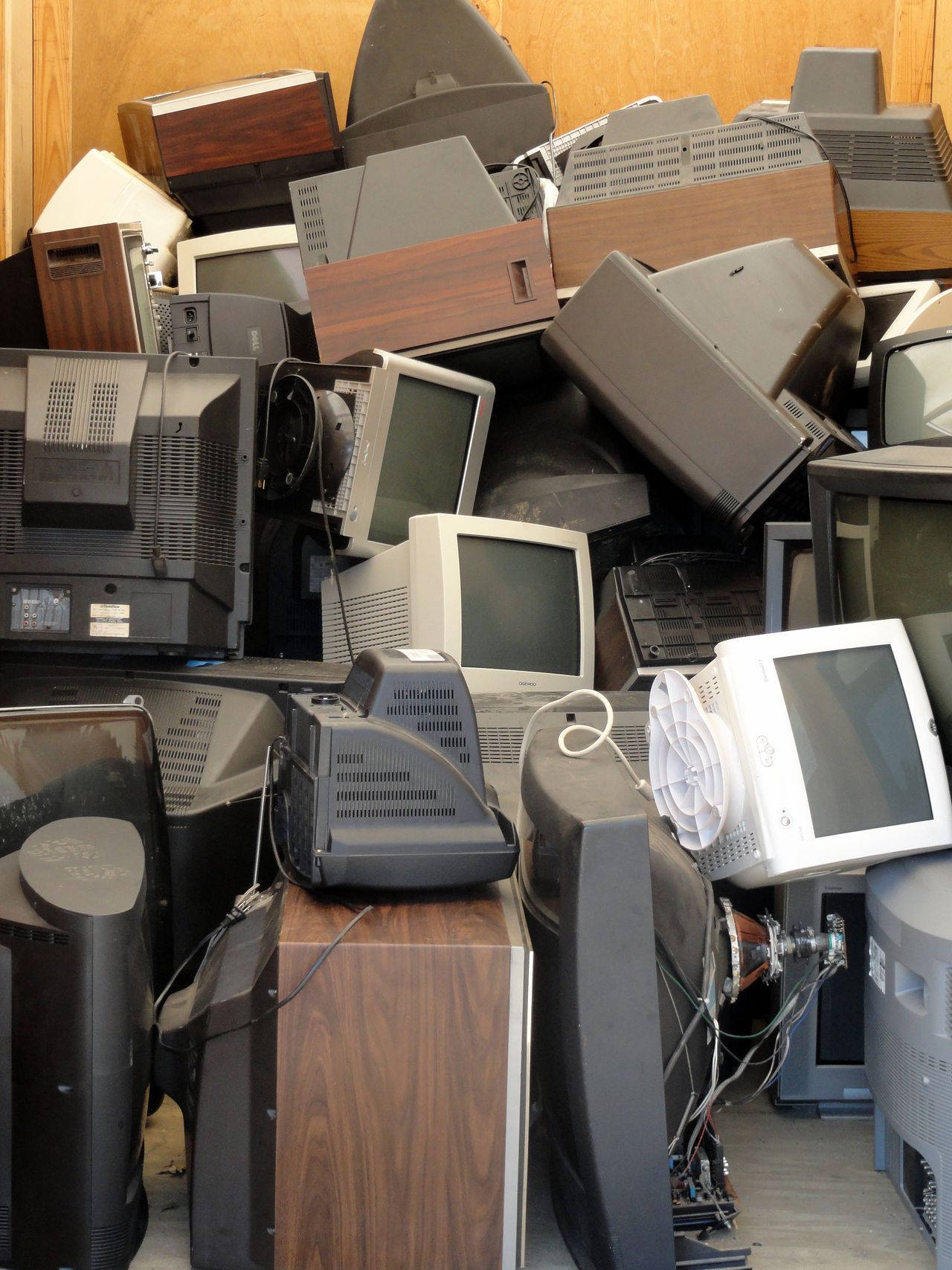
Old phones forgotten in drawers, broken laptops, tangled chargers, disposable e-cigarettes, worn-out solar panels, electric toothbrushes and toys that light up and sing: electronic waste is the fastest-growing solid waste stream in the world. According to the UN’s Global E-waste Monitor 2024, produced by the International Telecommunication Union and the UN Institute for Training and Research, humanity generated a record 62 million tonnes of e-waste in 2022. Loaded into large trucks, that amount would form a line stretching around the equator. It represents an 82% increase since 2010, and the total is on track to reach 82 million tonnes by 2030.
The growth is being driven by rising consumption, shorter product lifespans, limited repair options and the spread of electronics into everything from clothing to kitchen appliances. E-waste generation is rising about five times faster than documented recycling.
The challenge: toxic, valuable and mostly lost
Only 22.3% of the world’s e-waste in 2022 was documented as properly collected and recycled in environmentally sound ways. The rest is stored in homes, thrown into ordinary garbage and landfills, or handled informally. A significant amount is shipped — often illegally, disguised as second-hand goods — to countries in Africa and Asia, where it is dismantled by hand in informal scrapyards.
The consequences for health can be severe. Electronics contain hazardous substances such as lead, mercury, cadmium and brominated flame retardants. In informal yards, workers — including children — burn cables in the open to recover copper and use strong acids to extract gold, releasing toxic fumes and contaminating soil and water. Exposure has been linked to damage to the nervous system, lungs and kidneys, and to harm to children’s development.
E-waste is also a massive lost opportunity. Electronic devices contain gold, silver, copper, platinum, cobalt and rare earth elements. The UN estimates that the metals in the world’s 2022 e-waste were worth about US$91 billion, but tens of billions of dollars of that value were never recovered. At the same time, demand for many of these ‘critical minerals’ is soaring because of the energy transition — for batteries, electric motors, wind turbines and power grids — putting pressure on new mining projects, which have their own environmental and social impacts. Today, recycling meets only a tiny fraction of global demand for rare earth elements.
E-waste is growing faster than recycling capacity for several reasons. Devices are cheaper and more numerous, replacement is often easier than repair, batteries are glued in place, spare parts and repair manuals are hard to obtain, and software updates may end for older devices. Many consumers do not know where to take their old electronics, so they keep them in drawers — out of use, but also out of recycling.
What can be done
The most sustainable device is the one that is used for as long as possible. Right-to-repair legislation is gaining ground around the world. In 2024, the European Union adopted a directive that obliges manufacturers to offer repair services for common household products such as washing machines, vacuum cleaners and smartphones, even after the warranty expires, and to make spare parts available at reasonable prices. Several US states have passed laws requiring manufacturers to provide parts, tools and repair information to consumers and independent repair shops.
Quebec has been a leader in Canada. In 2023, the province adopted a law to protect consumers against planned obsolescence and to promote the durability, repairability and maintenance of goods. It prohibits the sale of products designed to fail prematurely and requires the availability of replacement parts and repair information for certain goods.
Standardisation also reduces waste. Since late 2024, the European Union’s common charger rules require new phones, tablets, cameras, headphones and many other devices sold there to use a USB-C charging port, and allow consumers to buy devices without a charger. The measure is expected to reduce the number of chargers produced and discarded each year.
Extended producer responsibility schemes require manufacturers to finance the collection and recycling of the products they sell. Canadian provinces operate such programs for electronics, and convenient drop-off points in retail stores and municipal eco-centres make it easy for consumers to return old devices free of charge. Deposit or buy-back programs for phones and batteries can further increase collection rates.
Refurbishment is a fast-growing market. Professionally restored phones, tablets and laptops come with warranties at a significantly lower price than new devices, and extending the life of a smartphone by even one or two years substantially reduces its overall environmental footprint, since most emissions occur during manufacturing.
Better design is essential. Products that are modular, easy to open, with replaceable batteries and standard screws, can be repaired and recycled far more easily. Some manufacturers now offer devices designed for repair, and repairability scores — introduced in France and adopted in other markets — help consumers compare products before buying.
Finally, ‘urban mining’ — recovering metals from discarded electronics in modern, safe facilities — can supply part of the critical minerals the world needs while reducing the demand for new mines. Investing in formal recycling infrastructure in developing countries, and supporting informal workers to transition into safer, better-paid jobs, can turn a health hazard into an economic opportunity. Stronger enforcement against illegal shipments of e-waste is also needed.
What you can do
Before buying a new device, ask whether the old one can be repaired or upgraded. Choose durable, repairable products and consider buying refurbished. Use protective cases and replace batteries rather than whole devices. When a product truly reaches the end of its life, wipe your data and bring it to a certified collection point rather than throwing it in the trash. Never put batteries, especially lithium-ion batteries, in household garbage, where they can cause fires in collection trucks and sorting centres.
The e-waste mountain grows one device at a time. It can shrink the same way.
Sources
ITU and UNITAR, Global E-waste Monitor 2024; European Union Directive on the right to repair (2024) and common charger rules; Government of Quebec, law protecting consumers against planned obsolescence (2023); World Health Organization, e-waste and child health fact sheet.