Web3 is the evolution of the internet from Web2’s centralized platforms to a decentralized model that gives users control over their identities, transactions, and data. As it’s built on blockchain technology, Web3 will empower transparent and secure data management, creating a system where users own their data and control how it’s used, rather than centralized authorities.
What’s the Difference Between Web2 and Web3?
Whereas centralized control by large corporations (such as Google and Facebook) is an intrinsic element of Web2, Web3 will be decentralized, with users controlling their assets and data through the blockchain. Furthermore, while Web2 is characterized by dynamic, user-generated content and involves active participation (for example, via social media), Web3’s decentralized applications are set to allow direct peer-to-peer interactions.
Enhanced security using distributed ledgers and encryption will be an important part of Web3, and in terms of monetization, users will be able to earn rewards through tokenized assets and decentralized networks.
How Do Digital Assets and Tokens Work?
Those with an interest in this field, such as Marc André Pépin, know that digital assets exist only in digital form and include NFTs (non-fungible tokens), tokenized assets, and cryptocurrencies. Tokens provide a secure way to transfer and own physical and digital assets, with the blockchain ensuring the traceability and authenticity of assets.
Illiquid assets can be easily divided and traded on digital platforms via tokenization, which also enables fractional ownership, allowing more people to invest in assets like art and real estate. For example, in Web3, tokenization means fractions of a property can be sold securely on the blockchain.
Why Do Businesses Need to Know About Web3?
Web3 offers several important benefits for businesses, with the potential to transform how organizations operate, innovate in the marketplace, and connect with customers. As its underlying blockchain technology provides immutable, verifiable records, removing the need for intermediaries, it promotes trust with partners and customers to ultimately create a more accountable online environment.
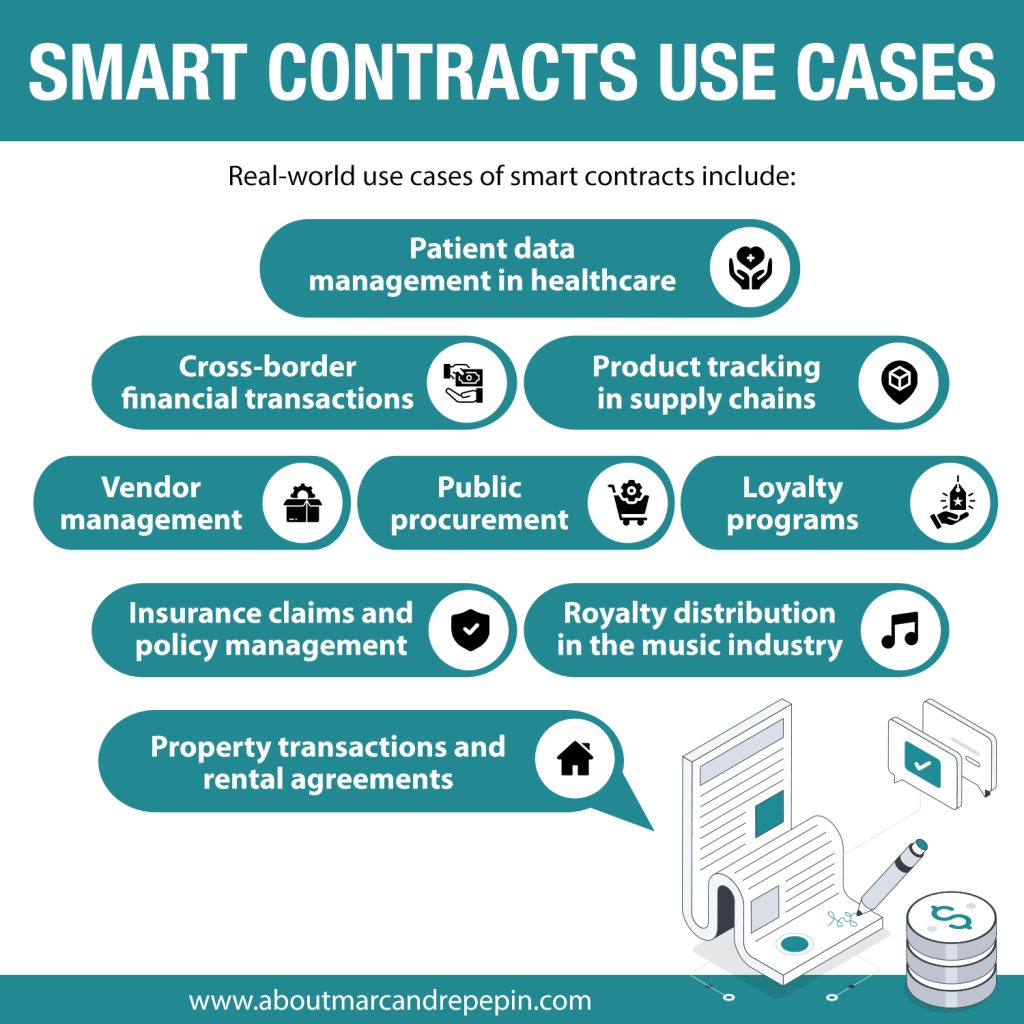
As well as this, Web3 has the potential to help businesses overcome operational inefficiencies, with decentralized systems and smart contracts automating tasks, decreasing reliance on middlemen, and reducing errors. On top of cost savings, this can help businesses scale without the burden of traditional overheads.
Web3 could open doors to new markets, too, such as tokenized assets and decentralized finance (DeFi), empowering organizations to tap into new revenue streams and offering a more competitive, inclusive market dynamic.