As the technology we use at home and work advances, so do the techniques used by cybercriminals. Implementing and maintaining strong digital defenses is vital. Cybersecurity is about safeguarding digital data, networks, and systems against theft, illegal access, disturbance, or damage.
Common Cyber Threats for Businesses
There are several common cyber threats that businesses should be aware of. These include ransomware, where malicious software locks access to data or systems, and phishing attacks, which trick employees into clicking malicious links or disclosing sensitive information.
Other threats are data breaches, insider threats, and DDoS attacks. In the latter, a business’s server is overwhelmed with traffic, disrupting operations.
Strong Passwords are Vital
One of the most common entry points for cybercriminals is weak passwords. To guard against this, ensure all passwords to online accounts—including social media, banking, and email—are protected by unique, strong passwords. Such passwords should include a mixture of uppercase and lowercase letters, special characters, and numbers. Easily guessable passwords must be avoided.
Enable Multi-Factor Authentication (MFA)
MFA adds an extra element of security to online accounts, making it much harder for cybercriminals to gain access. MFA should be enabled wherever possible, with common methods including authenticator apps, SMS codes, facial or fingerprint recognition, and hardware tokens.
Keep Systems and Software Updated
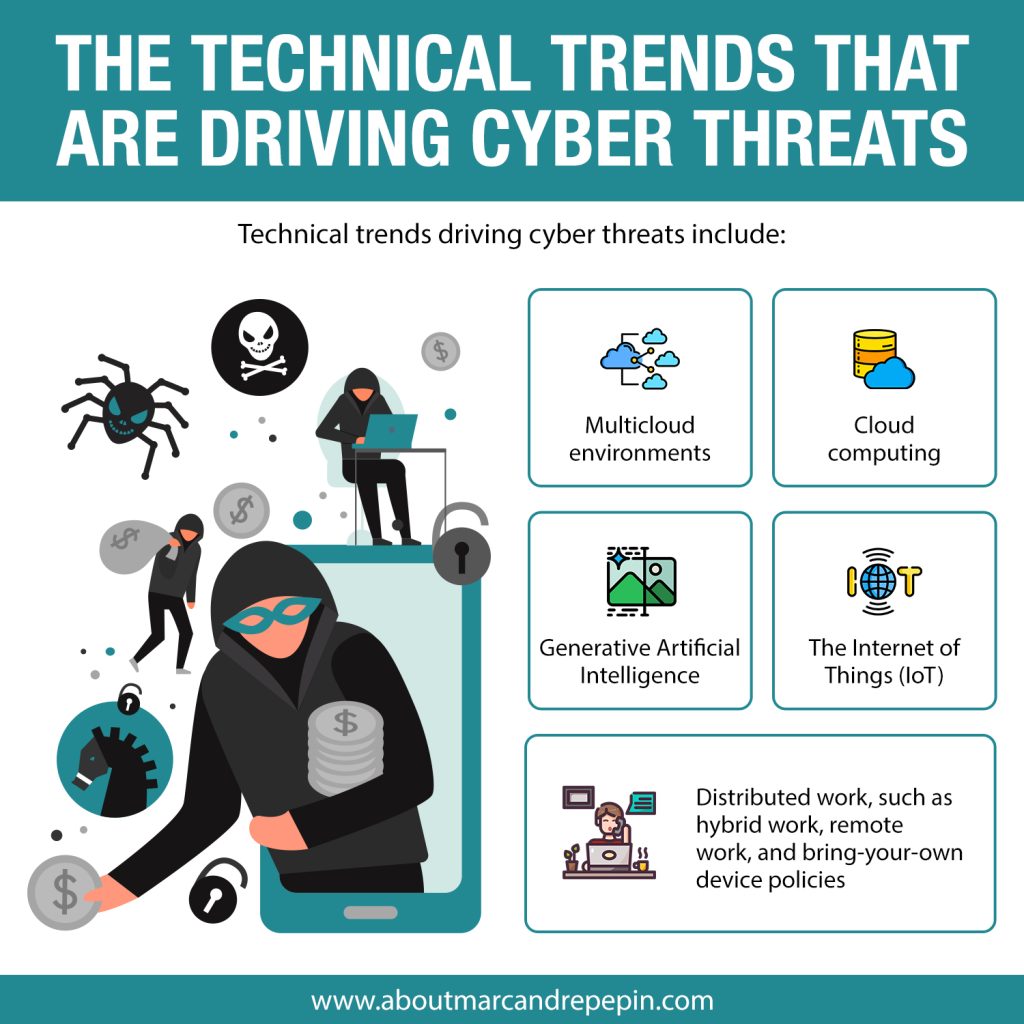
Those with expertise in this field, such as Marc André Pépin, know that it’s crucial to regularly update operating systems, software, and applications to maintain a secure digital environment. Security patches are often included in software updates that protect against new digital threats and address vulnerabilities. All devices should be regularly updated, including smartphones, computers, tablets, and IoT (Internet of Things) devices.
Back Up Data Regularly
Cyber threats also pose a risk of data loss, meaning it’s extremely important for both businesses and individuals to regularly update their important data and files. Backups should be encrypted and password protected—and periodically tested—to make sure they can be restored as necessary and function properly.
Compliance as a Priority
All businesses must ensure they are compliant with the relevant regulations as outlined by government agencies and industry standards. Not doing so can expose a business to legal penalties, security issues, and financial loss.
To achieve compliance, it’s a good idea for businesses to conduct a risk assessment and, subsequently, develop a compliance program. This should include implementing security controls, training teams, and monitoring and auditing regularly.